Introduction
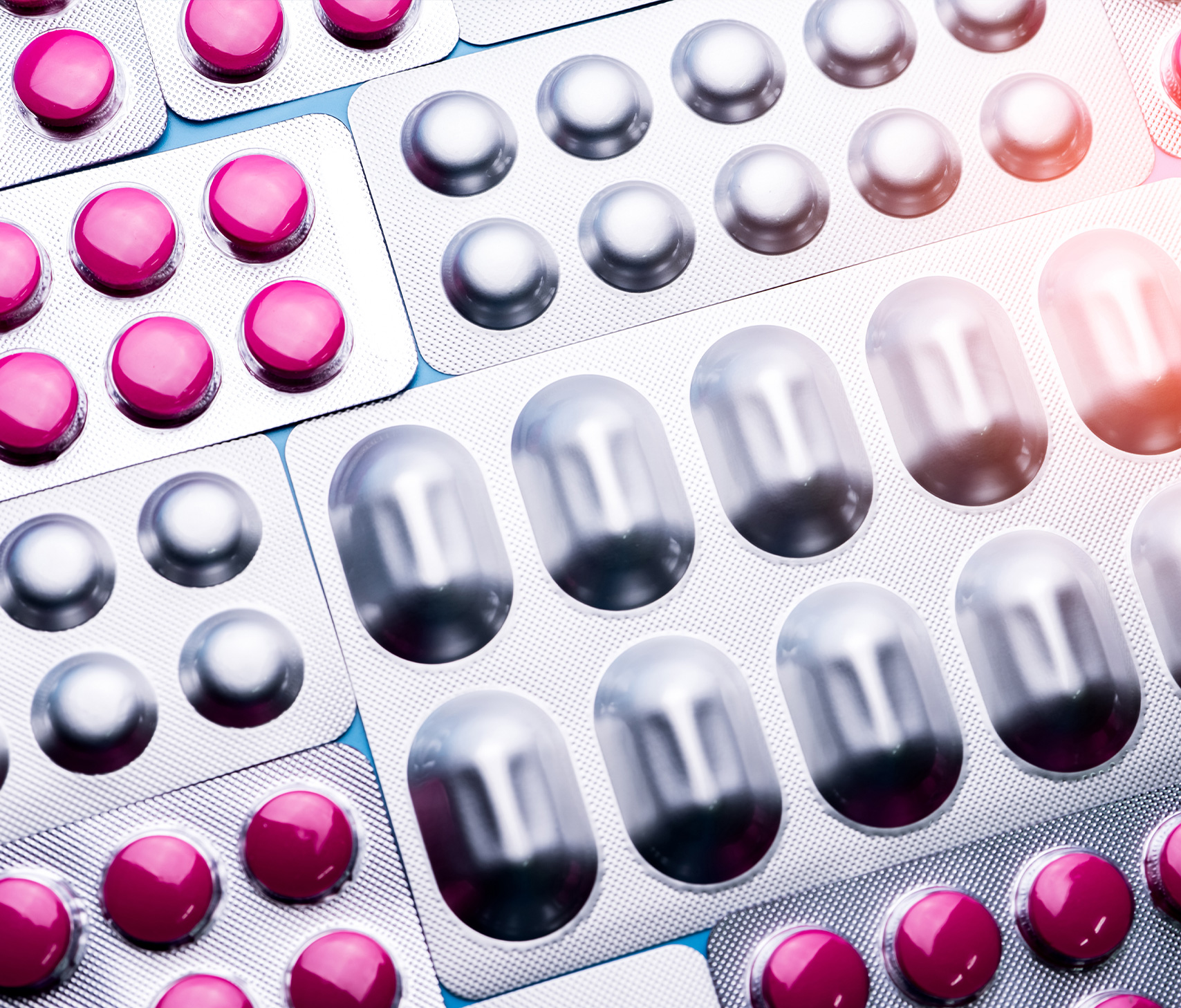
Pharmaceutical packaging plays a critical role in ensuring the safety, efficacy, counterfeit protection and integrity of drug products. It protects medicines from environmental factors, facilitates safe transport, and provides essential information for patients and healthcare providers. However, packaging operations in pharmaceutical companies generate a significant amount of waste.
The EU Packaging Regulation 2025/40, which came into force on February 11, 2025, and will be enforced in all EU member states from August 12, 2026, aims to regulate the entire lifecycle of packaging with a strong focus on sustainability. This regulation replaces the current Directive 94/62/EC and applies to all packaging, including that for medical devices and pharmaceuticals. There are no general exemptions, but there are specific exceptions for packaging that is essential for health and safety.
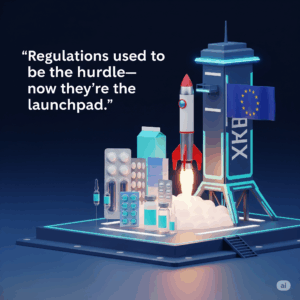
This regulation is a bold step toward making packaging smarter and more sustainable. The newly adopted lifecycle approach considers the environmental impacts of packaging from initial design and production through use and eventual disposal or recycling. These changes aren’t just regulatory checkboxes – reshaping how pharmaceutical packaging is designed, delivered, and experienced. The holistic view helps to identify opportunities for reducing waste and improving sustainability at each stage of the product lifecycle.
Key Objectives of the Regulation
- Design for recyclability: most packaging must be reusable or technically recyclable by 2030. Plastic packaging must comply with minimum percentages of recycled materials (e.g., 30% for PET) starting from 2030.
- Waste reduction targets: reduction of packaging waste through restrictions on overpackaging and certain single-use packaging. Packaging must be minimized in weight and volume, and they must not contain excessive empty space.
- Clear labelling: harmonized labels showing material composition and recycling instructions with standardized recycling symbols. QR codes are allowed for digital info.
- Chemical safety: ban on PFAS in food-contact packaging from August 2026 and limits on heavy metals like lead, cadmium, mercury, and chromium.
- Extended Producer Responsibility (EPR): producers must cover costs for collection, sorting, and recycling. Fees are based on eco-modulation: recyclability and environmental impact.
- Reusable packaging promotion: targets for reuse systems in retail and logistics and incentives for refillable formats.
Impact on Pharmaceutical Companies
The EU Packaging Regulation 2025/40 imposes new obligations on companies that market packaged products, including pharmaceutical companies. The new regulation requires organizations to benchmark existing strategies and controls against the new standard. For pharmaceutical companies, the impact will depend on their operations and waste management maturity.
Pharmaceutical companies are responsible for the complete processing of waste from their packaging through the principle of Extended Producer Responsibility (EPR). This means that producers – whether they are manufacturers, importers or brand owners- are responsible for their imported and generated waste. The legal requirements surrounding EPR are firmly anchored in both European and national legislation.
Final Consequences
Producers pay eco-contributions for the collection and recycling of their packaging, based on the type and weight of packaging. Non-recyclable or excessively packaged products result in higher costs. Companies that don’t comply with the new regulation may risk fines. By proactively adapting to these regulations, they can prevent penalties and trade restrictions due to non-compliance risks.
The shift towards a circular economy can trigger a powerful movement within the packaging sector. More and more companies are encouraged to embrace sustainable packaging strategies. Materials such as compostable plastics and recycled fibres are gaining popularity, with technological advancements speeding up this evolution. This trend also represents a wave of new opportunities for young enterprises. Start-ups and scale-ups specializing in sustainable packaging solutions have room to grow, fuelled by rising demand from the pharmaceutical sector.
Time to Act
EU Regulation 2025/40 encourages businesses to adopt sustainable packaging solutions that benefit both the environment and their finances. This regulation is not only an environmental measure but also a catalyst for market transformation and consumer insight. It offers a chance to integrate eco-friendly solutions into everyday operations, which may be appealing to consumers who value sustainability.
With an 18-month transition period starting from August 12, 2026, businesses should begin to revise their packaging designs and material selection now and integrate circularity into their sustainability strategies to avoid penalties. Embracing these changes can mean a more responsible approach to business, ultimately reducing the ecological footprint of the packaging industry through decreased use of plastics in favour of better recyclable packaging, compostable materials, or even products without packaging.
Sources
- Eur-lex.europa.eu
- Environment.ec.europa.eu
- staxxer.com
- avask.com
- valipac.academy
- monardlaw.be
- scc-medical-devices.com
- envenance-global.com
- packaging-gateway.com
- ey.com
- zmart.nl
- twobirds.com
- intertek.com
- dssmith.com
- taylorwessing.com
Interested in learning more? Contact us today to find out how we can help with your technical needs.
Similar posts